
Find Clinical Lymphatic Drainage in Hallandale
Table of Contents
- What Clinical Lymphatic Drainage in Hallandale Actually Involves
- Post-Surgical Lymphatic Drainage in Hallandale Beach: Who Benefits Most
- Medical Screening and When to Get Clearance First
- Questions to Ask a Lymphatic Drainage Provider Before You Book
- Lymphatic Drainage Session Length: What to Expect at Each Visit
- Lymphatic Drainage Massage Cost: What Drives the Price
- How to Compare Local Providers and Book Your First Session
- Frequently Asked Questions
Last Updated: October 5, 2026
What Clinical Lymphatic Drainage in Hallandale Actually Involves
Clinical lymphatic drainage is a hands-on therapy that moves stagnant lymph fluid toward working lymph nodes using precise, light-pressure strokes.
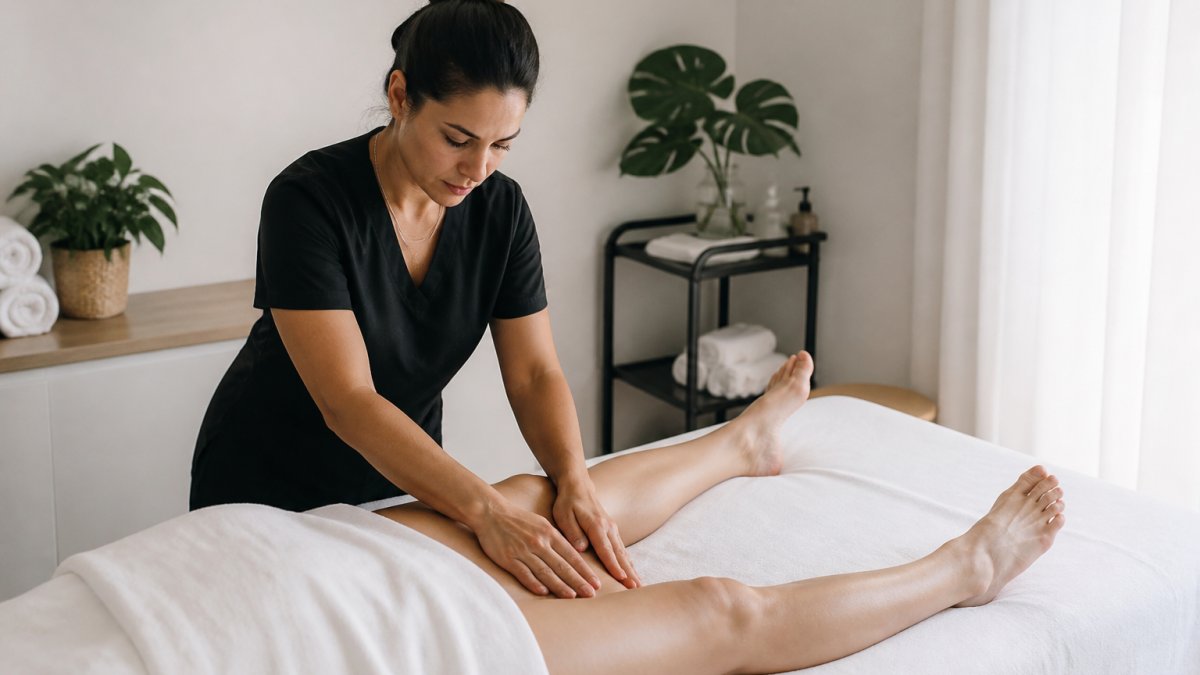
At EIR Lymphatics, our therapists hold COTA, CLT, and CPST credentials, which matters because clinical lymphatic drainage is not the same as a relaxation massage.
Here is the distinction most people miss: a regular body massage works on muscle.
A session typically starts with a short intake. Your therapist asks about recent procedures, current medications, and any swelling patterns.
Most people leave a first session feeling lighter and less puffy. That effect is temporary at first. Consistency is what builds lasting change.
Post-Surgical Lymphatic Drainage in Hallandale Beach: Who Benefits Most
Post-surgical lymphatic drainage in Hallandale Beach helps patients recovering from cosmetic and reconstructive procedures manage swelling, reduce fibrosis risk, and regain comfort. The patients who see the clearest benefit tend to fall into a few categories: recent liposuction, BBL recovery, tummy tuck recovery, mommy makeover recovery, and postpartum swelling.
Timing matters more than most people realize. A common mistake is waiting months to "see if it resolves on its own." Swelling that lingers can harden into fibrous tissue, and fibrosis is much harder to treat once it sets.
Recovery Timelines for Liposuction, BBL, and Tummy Tuck
Recovery timelines vary by procedure and by person, so treat any general range as a rough guide, not a promise. Liposuction patients often notice significant swelling reduction within the first several weeks of consistent treatment. BBL recovery tends to involve more fluid shifting because of the grafted areas, so therapists usually adjust pressure and positioning carefully.
If your surgeon has told you the tightness is normal and will resolve with time, that is often true. What time does not always fix is the texture and hardness that develops when fluid sits too long. Post-op massage supports the healing process; it does not replace your surgeon's plan.
Medical Screening and When to Get Clearance First
Get written clearance from your surgeon or physician before starting lymphatic drainage if you have had a recent procedure, an active infection, a blood clot history, or a chronic condition affecting circulation. This is not a formality. It is the difference between safe recovery support and a setback.
Screening covers more than surgery dates. A qualified provider asks about:
- Current medications, especially blood thinners
- History of deep vein thrombosis or clotting disorders
- Active skin infections, wounds, or rashes in the treatment area
- Heart, kidney, or liver conditions that affect fluid balance
- Pregnancy and breastfeeding status
- Lymphedema diagnosis and any compression garment use
If you are breastfeeding and dealing with postpartum swelling, tell your provider before booking. Some techniques are appropriate during this period and some are not, and the answer depends on your individual situation.
The National Lymphedema Network guidance on practitioner qualifications outlines why clinical training matters here. Lymphatic work sits close to medical care, and screening is what keeps it safe.
Questions to Ask a Lymphatic Drainage Provider Before You Book
Ask about credentials, training, screening process, and what happens if your situation falls outside their scope. The answers tell you more than any before-and-after photo. The goal is not to interrogate anyone.
Start with credentials, because this is where most confusion lives. In this field you will see several abbreviations, and they do not mean the same thing:
- LMT (Licensed Massage Therapist): A state-issued license to practice massage. It confirms baseline training and legal standing, but it does not by itself certify lymphatic or post-operative competence.
- CLT (Certified Lymphedema Therapist): Completed a recognized lymphedema certification program, typically 135 hours of specialized training, and often holds a national certification. This is the credential most closely tied to manual lymphatic drainage.
- CPST (Certified Post-Surgical Therapist): Training focused on post-operative recovery, including fibrosis management and incision-safe technique.
- COTA / OTR (Occupational Therapy Assistant / Occupational Therapist): A licensed rehab professional, which can matter when swelling is tied to a medical condition rather than a cosmetic procedure.
- PT / PTA (Physical Therapist / Assistant): Licensed rehab professionals who may hold additional lymphedema training.
A general massage license alone does not cover clinical lymphatic drainage. If a provider lists only "LMT" with no lymphatic-specific training, ask directly what coursework and supervised hours they completed in this modality.
Here is a practical list to bring to your first call:
- What certifications do you hold, and are they current?
- Where did you complete your lymphatic training, and how many supervised hours did it include?
- How do you screen for contraindications before treatment?
- Do you coordinate with surgeons or physicians when needed, and will you put that in writing?
- What does a typical session look like, start to finish?
- How do you measure progress beyond how I feel that day?
- What is your policy if treatment is not appropriate for me yet?
- What is your cancellation, rescheduling, and package policy?
A provider who hesitates on the first two questions is a provider to skip.
Verification is a two-step process. First, confirm the underlying license is active through your state's massage therapy or health-professional board. The state health department licensing portal lets you confirm an active license in minutes. Second, confirm the specialty credential. Many certifying bodies maintain a public directory where you can search a therapist by name and see whether the certification is current or lapsed. A lapsed certification is not the same as an active one, and it is worth asking when it was last renewed.
Finally, weigh the answers, not just the count.
Lymphatic Drainage Session Length: What to Expect at Each Visit
Most lymphatic drainage sessions run between 45 and 90 minutes, with 60 minutes being the most common starting point. Session length depends on the treatment area, your healing stage, and how your body responds.
First visits usually run longer because of the intake and screening process. Follow-up sessions settle into a consistent rhythm. For post-operative care, therapists often focus on one region per session rather than trying to cover everything at once.
For chronic conditions like lipedema, sessions may be scheduled more frequently at the start and spaced out as symptoms improve. A common approach is to reassess every few visits and adjust based on measurable change, not just how you feel.
| Session Type | Typical Length | Common Frequency |
|---|---|---|
| Initial consultation and treatment | 75-90 minutes | Once, at start |
| Post-operative recovery | 60 minutes | 2-3 times weekly early on |
| Lipedema management | 60-90 minutes | Weekly, then tapered |
| Wellness and debloating | 45-60 minutes | Every 2-4 weeks |
Ask upfront how many sessions the provider expects and how they will know when to stop. A provider who cannot answer that is guessing.
Lymphatic Drainage Massage Cost: What Drives the Price
Lymphatic drainage massage cost depends on session length, provider credentials, treatment complexity, and location. We do not publish fixed pricing because every care plan is built around your healing stage and medical needs. You can request current rates directly through our booking page.
What drives cost higher:
- Clinical credentials and specialized training, since CLT and CPST coursework takes time and continuing education to maintain
- Longer sessions for post-operative or complex cases, where a single visit may run 75 to 90 minutes
- Personalized care plans rather than one-size-fits-all routines
- Coordination with your surgeon or physician, which adds administrative time
- Mobile or in-home service, which carries travel and setup costs
What should not drive cost: pressure tactics, package upsells before your first session, or vague promises about results. If a provider pushes a large prepaid package before assessing you, treat that as a warning sign.
When you get a quote, ask what it includes. A fair quote names the session length, whether the initial intake and assessment are billed separately, whether compression garments or supplies are extra, and what happens if you need to reschedule. Ask these four questions before you pay anything:
- Is the first visit priced differently from follow-ups, and why?
- Are packages required, or can I pay per session?
- What is the cancellation and no-show policy, and is any portion refundable?
- If treatment is not appropriate for me yet, am I charged for the assessment?
On insurance and referrals: clinical lymphatic drainage is often treated as a wellness or elective service and is frequently paid out of pocket.
For context on how recovery services are generally priced and regulated, the U.S. Food and Drug Administration guidance on massage therapy devices and claims is a useful reference on what providers can and cannot claim. The bottom line: compare quotes on what is included, not just the number, and be wary of any price that comes with a promise instead of a plan.
How to Compare Local Providers and Book Your First Session
Compare providers on credentials, screening process, session structure, and how clearly they explain what they do. Ratings and reviews help, but they should not be your first filter. A five-star relaxation massage studio is not automatically equipped for post-surgical lymphatic work.
Use this checklist when comparing options:
- Verify licensure through your state health department
- Confirm lymphatic-specific certifications (CLT, CPST, or equivalent)
- Ask how they screen for contraindications
- Request a clear explanation of a typical session
- Ask how they measure progress
- Confirm they will refer you to a physician when appropriate
- Check whether they offer mobile massage or in-home service if mobility is limited
Local availability matters, but it should not override clinical experience. If you are weighing a closer provider against one with stronger credentials, the credentials usually win for post-operative care.
To schedule an appointment, book online or reach out directly. We will walk you through screening, answer your questions, and build a care plan around your healing stage.
Frequently Asked Questions
How do I find a qualified clinical lymphatic drainage provider in Hallandale Beach?
Look for a licensed massage therapist with additional certification in manual lymphatic drainage or complete decongestive therapy. Ask whether they have specific training in post-operative care and whether they work with your surgeon's protocol. Verify credentials directly, check whether the provider has experience with your procedure type, and read reviews that mention outcomes rather than relaxation. A short consultation before booking tells you whether the provider understands your healing stage.
What should I ask a provider before booking lymphatic drainage?
Ask about their certification and training hours in manual lymphatic drainage, whether they have worked with post-surgical patients, and how they screen for contraindications like active infection or blood clots. Confirm the session length, what techniques they use, and whether they coordinate with surgeons. Ask what results they expect at your stage of recovery and how many sessions they typically recommend. A provider who answers these clearly is worth considering; vague answers are a warning sign.
Can lymphatic drainage help with post-surgical swelling?
Manual lymphatic drainage is commonly used after liposuction, BBL, and tummy tuck to help move excess fluid and support the body's natural drainage. Many surgeons refer patients for post-op massage during the recovery window. Results vary by procedure, healing stage, and how consistently you attend sessions. It works alongside compression garments and your surgeon's instructions, not as a replacement for them. Ask your surgeon whether lymphatic drainage fits your recovery plan.
How long does a lymphatic drainage session take?
Most clinical lymphatic drainage sessions run 60 to 90 minutes, depending on the treatment area and your recovery stage. Post-surgical sessions may be shorter at first, around 45 to 60 minutes, then lengthen as swelling decreases. Full-body sessions for wellness or lipedema management often take 90 minutes. Ask the provider how long they schedule for your specific situation, and confirm whether the price covers the full session or only hands-on time.
Swelling that lingers, hardens, or keeps you uncomfortable weeks after a procedure is worth addressing directly rather than waiting out. EIR Lymphatics builds personalized care plans around your healing stage and medical clearance, using hands-on manual and Brazilian lymphatic drainage techniques, specialized support for fibrosis and lipedema, and the A.R.T. Method by Aline Rivera for body contouring. Get started with EIR Lymphatics and book your first session online.