
How to Reduce Fluid Retention Naturally
Table of Contents
- Understanding Fluid Retention and Why Swelling Occurs
- Why Is My Swelling Not Going Away: Common Causes and Persistent Patterns
- Foods That Reduce Water Retention and Support Fluid Balance
- Hydration, Electrolyte Balance, and Sodium Management
- Physical Movement, Exercise, and Leg Elevation Techniques
- Benefits of Lymphatic Drainage for Swelling and Fluid Reduction
- Hormonal Cycle, Medications, and When to Seek Professional Help
- Home Therapies and Supportive Tools for Ongoing Fluid Management
- Frequently Asked Questions
Last Updated: October 4, 2026
Understanding Fluid Retention and Why Swelling Occurs
Fluid retention happens when your body holds onto extra water in tissues instead of moving it through your system normally, but you can reduce fluid retention naturally through targeted strategies. This is your body's way of responding to inflammation, hormonal changes, or lifestyle factors that disrupt your natural fluid balance. (Source: the U.S. Department of Health and Human Services)
At EIR Lymphatics, we work with clients experiencing all types of swelling, from post-surgical bloating to chronic fluid retention. Understanding what causes your swelling is the first step toward managing it effectively.
Your lymphatic system is responsible for moving fluid through your body. When this system gets sluggish, fluid pools in your tissues. Common triggers include sitting for long periods, high sodium intake, hormonal fluctuations, and injury or surgery. The good news is that many causes respond well to natural approaches you can start using today.
Why Is My Swelling Not Going Away: Common Causes and Persistent Patterns
Swelling that lingers for weeks or months often points to one of several patterns. The most common reason swelling persists is that the underlying cause hasn't been addressed. You might be doing one helpful thing, like elevating your legs, but missing other critical factors.
Here are the main reasons your swelling sticks around:
- High sodium diet: Processed foods contain far more salt than your body needs, pulling fluid into tissues
- Dehydration: Paradoxically, drinking too little water makes your body hold onto what it has
- Hormonal cycles: Women often experience increased water retention before their period or during certain phases of the menstrual cycle
- Medications: Some blood pressure drugs, hormonal contraceptives, and anti-inflammatory medications can trigger fluid retention as a side effect
- Lack of movement: Sitting or standing without moving slows lymphatic drainage significantly
- Lymphatic dysfunction: If your lymphatic system isn't working properly, especially after surgery or injury, fluid accumulates faster than it drains
- Inflammatory conditions: Lipedema, arthritis, and other inflammatory conditions create persistent swelling
The pattern matters. If your swelling gets worse as the day goes on, it's likely a movement and gravity issue. If it's consistent all day, diet and hydration are usually the culprits. If it correlates with your cycle, hormones are playing a role.
Foods That Reduce Water Retention and Support Fluid Balance
What you eat directly affects how much fluid your body holds. The right foods support your lymphatic system and help your kidneys regulate sodium properly.
Potassium-Rich Foods and Natural Diuretics
Potassium is the mineral that balances sodium in your cells. High-potassium foods help your kidneys flush excess water and sodium. These are your most powerful dietary tools:
- Bananas: One medium banana has about 420 mg of potassium
- Sweet potatoes: Packed with potassium and fiber to support digestion
- Spinach and leafy greens: Raw or cooked, they're potassium powerhouses
- Avocados: High in potassium and healthy fats that reduce inflammation
- Beans and lentils: Protein and potassium in one food
- Coconut water: Natural electrolytes without added sugar
- Watermelon: High water content plus potassium
Natural diuretics work gently by supporting your body's own fluid regulation:
- Green tea: Contains compounds that promote mild diuresis without the jolt of caffeine
- Dandelion root tea: Traditionally used to support kidney function and fluid balance
- Ginger: Reduces inflammation and supports circulation
- Cucumber: High water content and mild diuretic properties
- Celery: Contains compounds that help regulate sodium levels
Foods and Drinks to Avoid
Some foods actively worsen fluid retention. These are the biggest culprits:
- Processed foods: Canned soups, deli meats, frozen meals, and packaged snacks contain 300-800 mg of sodium per serving
- Salty condiments: Soy sauce, salad dressings, and hot sauce are sodium bombs
- Refined carbohydrates: White bread, pastries, and sugary foods cause blood sugar spikes that trigger water retention
- Alcohol: Dehydrates you and impairs kidney function, making fluid retention worse
- Caffeine in excess: More than 2-3 cups of coffee daily can increase fluid retention for some people
- High-sugar drinks: Soda and energy drinks pull fluid into your bloodstream
The sodium-to-potassium ratio matters most. If you're eating processed foods, you're likely consuming 3,000-5,000 mg of sodium daily. Most people need only 1,500-2,300 mg (the CDC). That imbalance forces your body to hold water to dilute the excess salt.
Hydration, Electrolyte Balance, and Sodium Management
This seems backward, but drinking more water actually reduces fluid retention. When you're dehydrated, your body clings to every drop of fluid it has. Proper hydration signals your kidneys to release excess fluid.
Aim for half your body weight in ounces of water daily. A 150-pound person needs about 75 ounces. Spread it throughout the day rather than drinking it all at once.
Electrolyte balance matters as much as water volume. Sodium, potassium, and magnesium work together to regulate fluid movement in and out of cells.
Most people get too much sodium and not enough potassium and magnesium. The fix is straightforward:
- Reduce sodium: Cook at home instead of eating processed foods
- Increase potassium: Eat the foods listed above
- Add magnesium: Nuts, seeds, dark chocolate, and leafy greens contain magnesium
- Consider mineral water: Some mineral waters contain beneficial electrolytes
The TheraH2O Water Filter Pitcher supports this goal by providing clean, structured water that your cells absorb more efficiently.
Physical Movement, Exercise, and Leg Elevation Techniques
Movement is one of the most underrated tools for reducing fluid retention. Your lymphatic system has no pump like your heart does. It relies entirely on muscle contractions to move fluid through your body.
Sitting or standing still for hours allows fluid to pool in your legs and lower body. Even light movement, walking, stretching, or gentle exercise, activates your muscles and pushes fluid back toward your heart.
Effective movement strategies:
- Walking: 20-30 minutes daily is one of the most effective practices. It engages your calf muscles, which act as a pump for your lymphatic system
- Gentle yoga: Poses that invert your body (like legs-up-the-wall pose) use gravity to drain fluid from your lower body
- Swimming or water aerobics: The pressure of water on your body naturally supports fluid movement
- Jumping jacks or rebounding: Bouncing activates your entire lymphatic system
- Stretching: Even 5 minutes of stretching every hour reduces fluid pooling
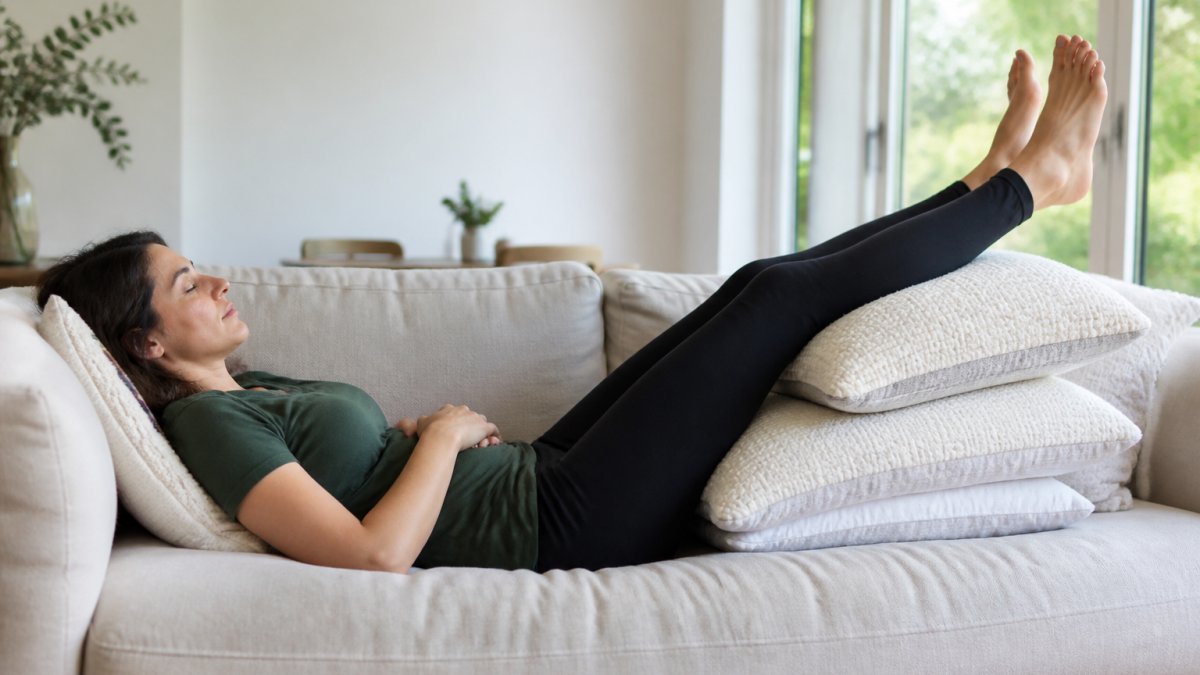
Leg elevation technique:
Elevating your legs above your heart level for 15-20 minutes daily dramatically reduces lower-body swelling. Here's how to do it properly:
- Lie on your back on a bed or floor
- Place pillows under your legs so they're elevated at least 12 inches above your heart
- Keep your legs straight or slightly bent at the knees
- Stay in this position for 15-20 minutes
- Repeat 1-2 times daily, ideally in the evening
This simple practice drains fluid from your legs using gravity. Many people notice a visible reduction in ankle and foot swelling after just one session.
Benefits of Lymphatic Drainage for Swelling and Fluid Reduction
Lymphatic drainage is a specialized massage technique that moves fluid through your lymphatic system toward your heart and kidneys.
Thera360 Plus Portable Infrared Sauna *DUE TO POPULAR DEMAND, ALLOW 2 WEEKS →
The technique uses light pressure and specific hand movements to stimulate lymphatic flow. This is particularly valuable for people with persistent swelling because it addresses the root cause: sluggish lymphatic circulation.
Research shows that manual lymphatic drainage reduces swelling, improves comfort, and supports your body's natural detoxification.
Professional lymphatic drainage goes deeper than self-massage. A trained therapist understands the anatomy of your lymphatic system and can target the specific areas where fluid is pooling.
At EIR Lymphatics, we use specialized techniques like the A.R.T. Method by Aline Rivera to address fibrosis and fluid retention.
Hormonal Cycle, Medications, and When to Seek Professional Help
Hormones significantly influence fluid retention, especially for women. Your menstrual cycle creates predictable patterns in water retention.
This is normal and temporary. Your body releases this fluid once your period starts. Understanding this pattern helps you avoid panic about "gaining weight" when it's actually hormonal fluid retention.
Some medications trigger fluid retention as a side effect. Blood pressure medications, certain antidepressants, and hormonal contraceptives can all increase swelling.
Seek professional help if:
- Swelling appears suddenly without an obvious cause
- One leg is significantly more swollen than the other
- Swelling is accompanied by pain, redness, or warmth
- You have difficulty moving or bearing weight
- Swelling doesn't improve with home strategies after 2-3 weeks
- You have a history of blood clots or circulatory problems
A healthcare provider can rule out serious conditions like deep vein thrombosis or kidney disease. Once medical issues are excluded, professional lymphatic drainage becomes a powerful tool for managing persistent fluid retention.
Home Therapies and Supportive Tools for Ongoing Fluid Management
Beyond diet, hydration, and movement, several home therapies accelerate fluid reduction and support your body's natural drainage processes.
Compression garments provide consistent pressure that prevents fluid from pooling.
Contrast therapy (alternating warm and cool temperatures) stimulates circulation and lymphatic flow.
Dry brushing gently stimulates your lymphatic system before showering.
Infrared sauna therapy supports detoxification and circulation.
PEMF therapy uses pulsed electromagnetic fields to support cellular communication and circulation.
Herbal supplements can support your efforts, but consistency matters more than perfection.
The most effective approach to reduce fluid retention naturally combines multiple strategies. Start with hydration, potassium-rich foods, and daily movement.
Persistent fluid retention is frustrating, but it's also highly responsive to the right combination of strategies.
Frequently Asked Questions
What are the most effective natural ways to reduce fluid retention?
Reducing fluid retention naturally involves a combination of dietary changes, movement, and hydration. Increase potassium-rich foods like bananas and leafy greens to support electrolyte balance. Reduce sodium intake from processed foods, which causes the body to retain water. Stay well-hydrated to paradoxically help your body release excess fluid. Incorporate daily movement and leg elevation to support lymphatic drainage. Consider natural diuretics like green tea or herbal supplements containing dandelion root. For persistent swelling, professional lymphatic drainage therapy can help stimulate fluid movement and reduce bloating effectively.
Which drink is good for water retention?
Water is the most important beverage for managing water retention. Proper hydration helps your kidneys function optimally and signals your body to release excess fluid rather than hold onto it. Green tea is another excellent choice, it contains compounds that support natural diuretic function without the caffeine overload of coffee. Herbal teas with dandelion root or ginger can also support fluid balance. Avoid sugary drinks and excessive caffeine, which can increase sodium retention and worsen bloating. Filtered water, like what the TheraH2O Water Filter Pitcher provides, ensures you're drinking clean, mineralized water that supports cellular hydration.
How does lymphatic drainage support natural fluid reduction?
Lymphatic drainage works by stimulating the lymphatic system to move excess fluid from tissues back into circulation and toward elimination. Manual lymphatic drainage techniques apply gentle, rhythmic pressure that encourages fluid movement without forcing it. This process reduces pitting edema, decreases swelling, and helps your body process and eliminate retained water more efficiently. Professional lymphatic drainage is especially beneficial after surgery, for chronic conditions like lipedema, or when diet and exercise alone haven't resolved persistent swelling. The benefits extend beyond fluid reduction, improved lymphatic circulation also supports detoxification, reduces inflammation, and promotes faster tissue healing.
When should I be concerned about persistent swelling?
Mild swelling that responds to elevation, movement, and dietary changes is typically benign. However, seek professional evaluation if swelling is severe, only affects one limb, is accompanied by pain or redness, doesn't improve after a week of natural remedies, or appears suddenly without an obvious cause. Persistent swelling can indicate kidney dysfunction, heart issues, thyroid problems, or conditions like lipedema or lymphedema that require specialized care. Medication side effects can also cause fluid retention, discuss this with your doctor. A qualified healthcare provider can perform diagnostic tests and determine whether your swelling requires medical intervention or can be managed through natural methods like lymphatic drainage therapy and lifestyle changes.